| |
|
 |
|
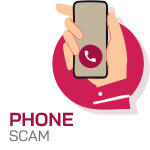
Scammers pose as authorities using private or foreign numbers. They
claim you have unpaid bills, legal issues, or uncollected parcels. They
use threats of arrest or account freezes to pressure you into sharing
banking details or transferring funds. They may connect you to fake
enforcement agencies and trick you into approving unauthorised
transactions. |
|
|
|
|
|
|
|
|
|
 |
|
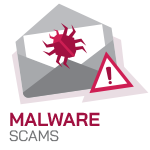
Downloading malicious software or applications from an unofficial source.
Learn
more |
|
|
|
|
|
 |
|
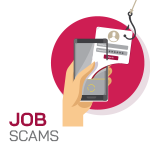
Scammers post fake job advertisements on social media or job sites. Advertisements lack company details and contact information. They ask for upfront payments for training or permits and may request your personal and banking details. |
|
|
|
|
 |
|
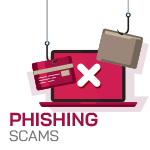
Unsolicited emails, SMS, or messages mimic trusted organisations. They create urgency (e.g., account deactivation or unpaid bills) and include links to fake websites that steal your credentials. Look for spelling errors, odd formatting, and unfamiliar sender addresses. |
|
|
|
|
 |
|
Offering quick cash to receive and forward money or rent out your account. It exposes you to illegal activities like money laundering. |
|
|
|
|
 |
|
Dealing with sellers or buyers who disappear with your money or goods. Scammers offer deals that seem too good to be true, using WhatsApp or social media with no physical address or other contact information. Websites often have poor design, bad grammar, and missing company details. They rush you to pay via personal accounts. Goods may never arrive, or you receive counterfeits. |
|
|
|
|
 |
|
Promises of high returns with little risk are red flags. Scammers pressure you to act fast and may use fake endorsements from well-known people or companies. Unable to find any solid details about their company or financial information.
Learn more |
|
|
|
|
 |
|
Messages from a well-known organisation claiming you have won prizes or cashback with little or no effort. Links lead to fake websites that steal your banking details. |
|
|
|
|
 |
|
Scammers impersonate lenders via websites, social media, emails or text messages, offering instant approvals even with bad credit. They request personal documents and upfront payments. Fake approval letters may include forged logos. |
|
|
|
|
 |
|
Scammers build fake online relationships via dating apps or social media platforms, profess love quickly, and avoid video calls. Pressure victims to keep the relationship a secret from family and friends. They manipulate victims into sending money for emergencies or travel expenses. |
|
|
|
|
 |
|
Place deceptive QR codes in public places, online advertisements or via messages. Fake QR codes redirect you to phishing sites or install malware on your device. |
|
|